
Los Medios de Producción
Entrevista con el productor de cine independiente Nicolás Celis
Las películas que desafían al poder se hacen con el dinero de quienes lo detentan. Nicolás Celis trabaja en el centro de ese crisol, negociando con el capital para dar vida a un arte que a menudo lo desenmascara.
Celis produjo Roma, de Alfonso Cuarón, donde la vida de una trabajadora del hogar está determinada por la clase social y las exigencias de aquellos a quienes sirve. En Noche de fuego, de Tatiana Huezo, unas niñas crecen bajo la amenaza de la violencia del narcotráfico; en Tempestad, vidas enteras quedan destrozadas por el encarcelamiento arbitrario y la trata de personas. La región salvaje, de Amat Escalante, confronta la represión sexual y el control social, mientras que Pájaros de verano, de Ciro Guerra y Cristina Gallego, sigue a una familia indígena cuya autonomía es devorada por el narcotráfico.
Cada una de estas películas plantea la misma pregunta: ¿qué queda de la capacidad humana de decidir sobre la propia vida cuando las fuerzas que la gobiernan escapan a nuestro control?
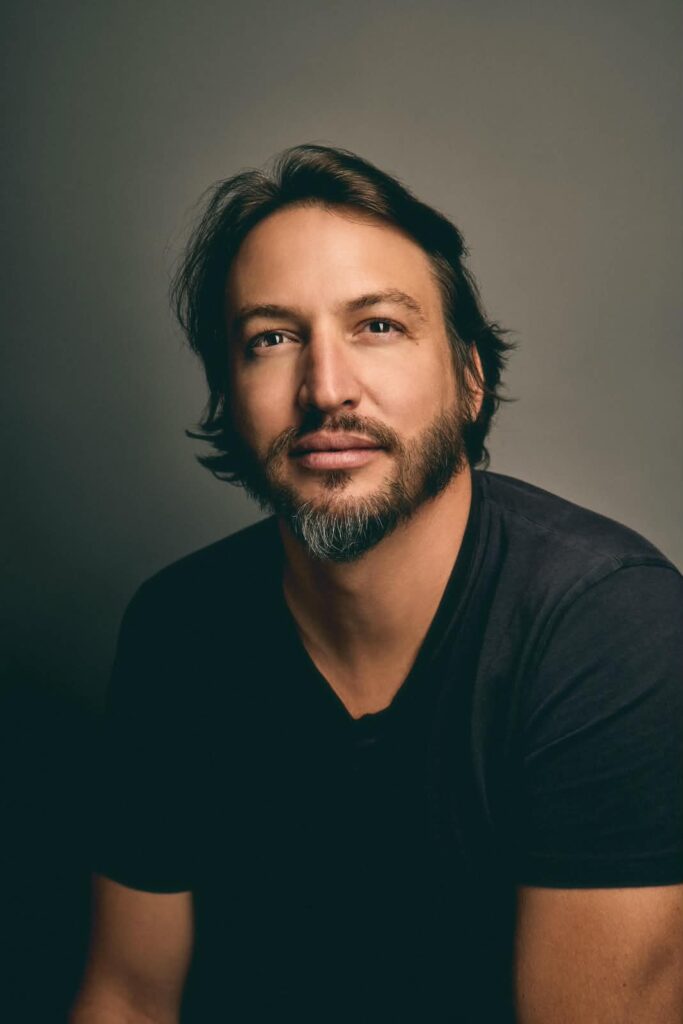
AA: Has contribuido a llevar el cine mexicano profundamente independiente al escenario internacional. ¿Ese éxito ha ampliado las posibilidades de libertad artística o ha creado un sistema de dependencia más sofisticado?
NC: Es innegablemente un arma de doble filo. Por un lado, el éxito internacional nos ha dado una plataforma invaluable y ha demostrado que las historias locales tienen una resonancia universal. Sin embargo, el riesgo de una “dependencia sofisticada” es muy real. Cuando la industria global empieza a financiar nuestro cine, frecuentemente viene con expectativas sutiles sobre qué tipo de historias mexicanas quiere consumir (usualmente ligadas a la violencia o al exotismo). La verdadera libertad artística hoy no es solo conseguir el dinero, sino usar ese apalancamiento internacional para blindar la visión de los creadores (incluyendo a los productores) y negarnos a adaptar nuestras narrativas para complacer la mirada extranjera.
AA: Has trabajado con cineastas cuyas visiones desafían las categorías comerciales convencionales. ¿Qué reconoces en un proyecto que te lleva a arriesgar dinero, reputación y años de tu vida para hacerlo realidad?
NC: Lo que busco no es una fórmula, sino una urgencia. Reconozco un proyecto por la honestidad brutal de la voz del cineasta. Cuando leo un guion o escucho a un director y siento que esa historia tiene que existir, que no hay otra persona en el mundo que pueda contarla de esa manera, es ahí donde decido saltar al vacío. No apuesto por la viabilidad comercial inmediata, sino por la singularidad. Si el proyecto me incomoda, me conmueve o me hace cuestionar mis propias certezas, sé que vale la pena dedicarle los próximos años de mi vida.
AA: La Ciudad de México está produciendo una extraordinaria cultura independiente en el cine, la música, el arte y la escena underground. ¿Está surgiendo un verdadero movimiento cultural compartido o estamos confundiendo proximidad con solidaridad?
NC: Creo que es un ecosistema híbrido. Definitivamente compartimos la geografía, el caos y la intensidad de la Ciudad de México, lo cual genera una fricción creativa inevitable. No sé si estamos frente a un “movimiento” cohesionado con un manifiesto claro, pero sí existe una red genuina de resistencia y colaboración. En una ciudad donde hacer arte muchas veces implica nadar a contracorriente, la proximidad se ha convertido en solidaridad por pura necesidad de supervivencia. Cineastas, músicos y artistas visuales nos estamos alimentando de las mismas grietas del sistema.
AA: Roma llegó a una audiencia global a través de Netflix. ¿Puede una película seguir siendo genuinamente independiente cuando su capacidad de llegar al mundo depende de las mismas estructuras corporativas que determinan cada vez más qué cultura se ve?
NC: La independencia de una película se define en su concepción, en el set, en el cuarto de edición, en su financiamiento (a veces + dinero = más concesiones), no exclusivamente en su canal de distribución. Roma fue concebida y filmada con una libertad creativa absoluta y radical. Que su vehículo para llegar al mundo haya sido con Netflix no borra su ADN independiente; al contrario, demuestra que el arte autoral e intransigente puede “hackear” las estructuras masivas de distribución. El peligro no es usar estas plataformas para llegar a su público, sino permitir que sus algoritmos dicten cómo y qué debemos filmar.
AA: Vivimos en una época en la que las personas se sienten cada vez más impotentes frente a enormes sistemas económicos y tecnológicos. ¿Qué puede cambiar realmente el cine de esa condición y qué responsabilidad tiene un productor de hacer películas que se nieguen a aceptarla?
NC: El cine no va a derrocar un sistema económico ni a detener el avance tecnológico, pero tiene un poder subversivo único: nos rescata de la anestesia. Frente a sistemas que buscan reducirnos a simples consumidores o datos, el cine nos devuelve nuestra humanidad, nuestra empatía y nuestra capacidad de cuestionar. La mayor responsabilidad que tengo como productor es negarme a fabricar “contenido” vacío para rellenar catálogos. Mi trabajo es proteger y financiar los espacios donde todavía se pueden hacer las preguntas incómodas, asegurando que el cine siga siendo un acto de rebeldía, de memoria y de profunda conexión humana.
The Means of Production
An Interview with Independent Film Producer Nicolás Celis
Films that challenge power are made with the money of those who have it. Nicolás Celis works inside that crucible, negotiating with capital to bring to life art that often exposes it.
Celis produced Alfonso Cuarón’s Roma, in which a domestic worker’s life is shaped by class and the demands of those she serves. In Tatiana Huezo’s Noche de fuego, girls grow up under the threat of cartel violence; in Tempestad, lives are shattered by arbitrary imprisonment and human trafficking. Amat Escalante’s La región salvaje confronts sexual repression and social control, while Ciro Guerra and Cristina Gallego’s Pájaros de verano follows an Indigenous family whose autonomy is consumed by the drug trade.
Each film confronts the same question: what remains of human agency when the forces governing a life lie beyond its control?
AA: You have helped bring deeply independent Mexican cinema to the international stage. Has that success expanded the possibilities for artistic freedom, or has it created a more sophisticated system of dependency?
NC: It is undeniably a double-edged sword. On the one hand, international success has given us an invaluable platform and demonstrated that local stories have universal resonance. However, the risk of a “sophisticated dependency” is very real. When the global industry begins financing our cinema, it frequently comes with subtle expectations about the kinds of Mexican stories it wants to consume (usually tied to violence or exoticism). True artistic freedom today is not simply about securing the money, but about using that international leverage to protect the vision of creators (including producers) and refusing to adapt our narratives to satisfy the foreign gaze.
AA: You have worked with filmmakers whose visions defy conventional commercial categories. What do you recognize in a project that makes you willing to risk money, reputation, and years of your life to bring it into existence?
NC: What I look for is not a formula, but a sense of urgency. I recognize a project through the brutal honesty of the filmmaker’s voice. When I read a screenplay or listen to a director and feel that the story has to exist, that there is no one else in the world who could tell it that way, that is when I decide to take the leap into the unknown. I am not betting on immediate commercial viability, but on singularity. If a project unsettles me, moves me, or forces me to question my own certainties, I know it is worth dedicating the next several years of my life to it.
AA: Mexico City is producing an extraordinary independent culture across cinema, music, art, and the underground scene. Is a genuine shared cultural movement emerging, or are we confusing proximity with solidarity?
NC: I think it is a hybrid ecosystem. We certainly share the geography, chaos, and intensity of Mexico City, which generates an inevitable creative friction. I do not know whether we are witnessing a cohesive “movement” with a clear manifesto, but there is a genuine network of resistance and collaboration. In a city where making art often means swimming against the current, proximity has become solidarity out of sheer necessity for survival. Filmmakers, musicians, and visual artists are drawing nourishment from the same cracks in the system.
AA: Roma reached a global audience through Netflix. Can a film remain genuinely independent when its ability to reach the world depends on the very corporate structures that increasingly determine what culture gets seen?
NC: A film’s independence is defined in its conception, on the set, in the editing room, in its financing (sometimes more money = more concessions), not exclusively through its distribution channel. Roma was conceived and filmed with absolute and radical creative freedom. The fact that Netflix was the vehicle through which it reached the world does not erase its independent DNA; on the contrary, it demonstrates that uncompromising auteur cinema can “hack” the massive structures of distribution. The danger is not using these platforms to reach an audience, but allowing their algorithms to dictate how and what we should film.
AA: We live in an age when people feel increasingly powerless in the face of enormous economic and technological systems. What can cinema actually change about that condition, and what responsibility does a producer have to make films that refuse to accept it?
NC: Cinema is not going to overthrow an economic system or halt technological progress, but it possesses a unique subversive power: it rescues us from numbness. In the face of systems that seek to reduce us to mere consumers or data, cinema restores our humanity, our empathy, and our capacity to question. My greatest responsibility as a producer is to refuse to manufacture empty “content” to fill catalogs. My job is to protect and finance the spaces where uncomfortable questions can still be asked, ensuring that cinema remains an act of rebellion, of memory, and of profound human connection.