Vlocke Negro
Penetración
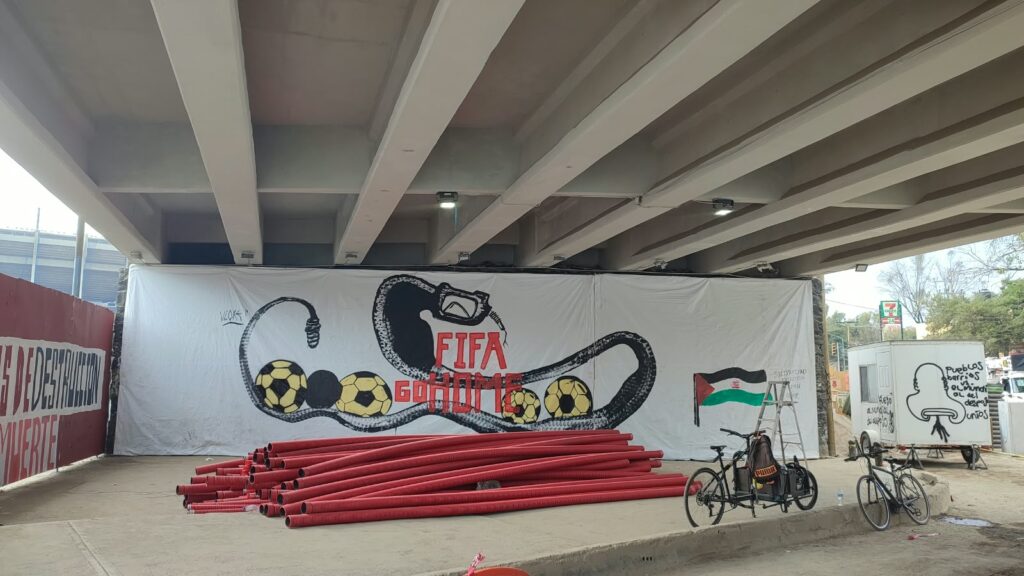
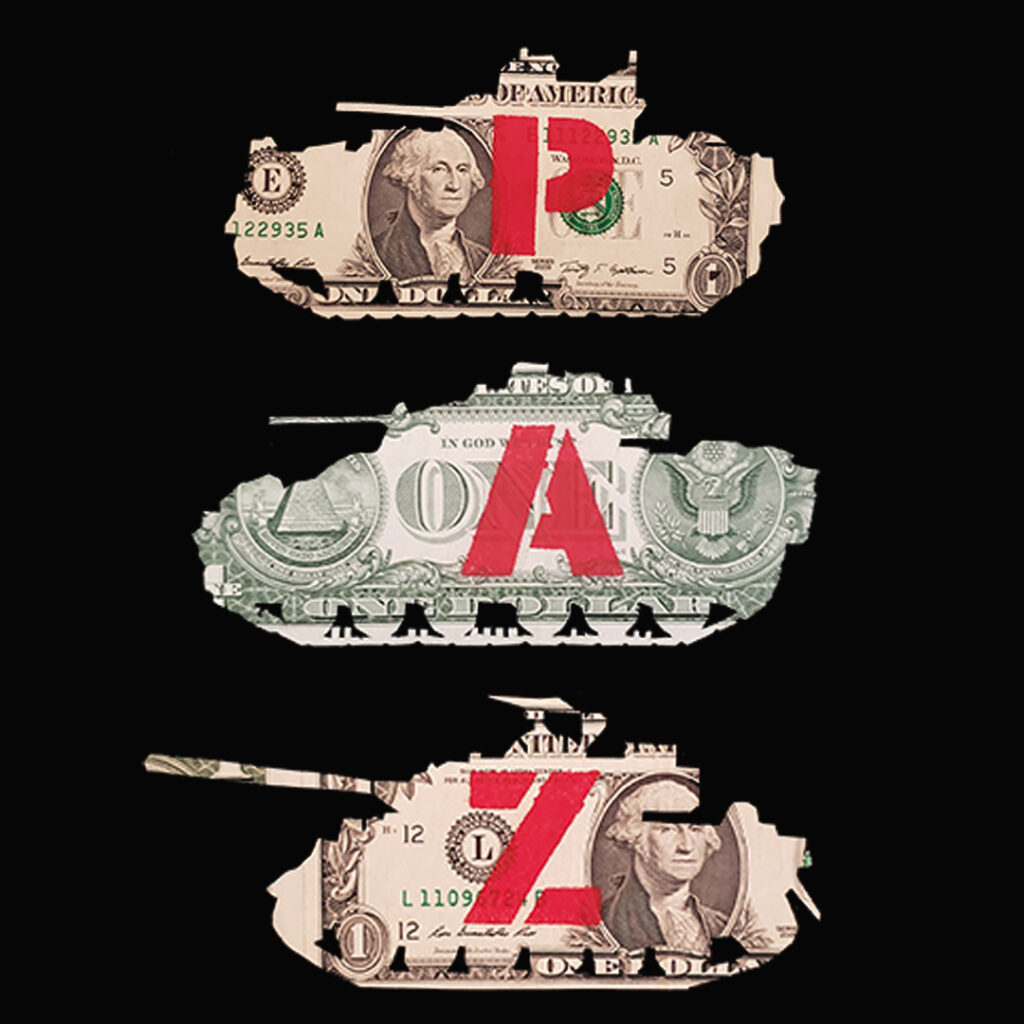
El capitalismo tiene una capacidad extraordinaria para convertir la existencia en mercancía, para transformar nuestras vidas y los espacios que habitamos en productos. Lo hace de manera tan silenciosa que apenas nos damos cuenta, hasta que un día, caminando por la calle, descubrimos que nos sentimos más parte de una máquina que seres humanos. Pero entonces algo nos hace detener la mirada. Una obra sobre un muro donde se supone que no debe haber arte. Un mensaje que nos atraviesa la conciencia. Y de pronto recordamos que no somos simples piezas al servicio de algo más, sino seres vivos, de carne y hueso, con voluntad y capacidad de decidir sobre nuestra propia existencia. En la Ciudad de México, esos momentos se los debemos a un puñado de artistas, muchas veces enmascarados, que arriesgan su libertad y su seguridad para recordarnos quiénes somos. Su trabajo es una intervención en el sentido más profundo de la palabra: disipa la niebla y nos recuerda que somos mucho más que el sistema que habitamos. Vlocke Negro es uno de esos hombres enmascarados.
AA: ¿Qué significa para ti la autonomía?
VN: Es la capacidad que tengo para esquivar las formas de control del sistema y abrir espacios donde pueda tomar mis propias decisiones, tanto en lo personal como en lo colectivo. Para mí, tiene que ver con el autogobierno, la ayuda mutua y la posibilidad de organizarnos sin que alguien tenga que mandar sobre los demás. A lo largo de estos años he podido construir un ecosistema social de afectos, complicidades e intercambios que hace posible cierta autonomía. Sin embargo, las condiciones económicas y políticas siempre nos obligan a replantear cómo sostenerla. No la entiendo como una independencia absoluta ni como algo que se conquista de una vez para siempre: es una práctica cotidiana que necesita de otras personas.
AA: ¿Puede un artista seguir siendo independiente cuando las galerías, las instituciones, las marcas y el dinero empiezan a interesarse en su trabajo?
VN: En mi caso, el interés por mi trabajo ha ampliado algunas posibilidades de independencia porque me permite decidir con quién quiero trabajar y con quién no. Pero esa capacidad depende también de poder rechazar una propuesta cuando implica suavizar lo que digo, entregar el control de mi trabajo. Mi relación con galerías, instituciones y marcas puede ser buena, aunque siempre prefiero trabajar de manera autogestiva, porque ahí tengo mayor capacidad para decidir cómo producir, con quién colaborar y cómo circula lo que hago.
AA: ¿Qué pasa con el arte callejero cuando el mundo del arte decide que lo quiere?
VN: Creo que lo que hago sigue siendo molesto e incómodo para ciertos espacios del sistema del arte y del propio arte callejero. Cuando el mercado se interesa por una práctica que nació en la calle, puede darle visibilidad y recursos, pero también puede separar sus imágenes de los conflictos, los territorios y las comunidades que les dieron sentido. Puede vender la apariencia de rebeldía mientras deja fuera aquello que cuestiona, como el poder o la desigualdad. La capacidad del capitalismo para absorber estas expresiones es inmensa y actúa todo el tiempo. Al mismo tiempo, quienes hacemos arte seguimos inventando maneras de desbordar esa captura, aunque sea momentáneamente. Para mí, importa mantener vivos los vínculos y las formas de hacer que permiten que una práctica siga siendo incómoda.
AA: ¿Queda todavía algún lugar donde la cultura pueda existir sin ser controlada, comprada o convertida en producto?
VN: Creo que sí, y para mí ese lugar sigue siendo la calle. Una calle entendida desde lo que sucede en ella: el encuentro, la fiesta, la protesta, la gráfica que aparece, la memoria que se comparte y las formas de ocupar el espacio sin pedir permiso. Sé que la calle también está atravesada por la vigilancia, la propiedad y el comercio; aun así, ahí se producen experiencias que desbordan esos controles. Hay algo en esa cultura en movimiento, en lo que se hace entre muchas personas que no se deja convertir completamente en mercancía, un fenómeno social. A veces es fugaz, pero deja huella.
AA: ¿En qué te niegas a convertirte?
VN: En alguien que mire desde arriba, prefiero estar abajo y bajar más adentro: escuchar, aprender y seguir construyendo con otros, sin perder de vista de dónde vengo ni los vínculos que sostienen lo que hago.
Vlocke Negro
Penetration
Capitalism has an extraordinary capacity to turn existence into merchandise, to transform our lives and the spaces we inhabit into products. It happens so quietly that we barely notice, until one day, walking down the street, we realize we feel more like part of a machine than a human being. But then something catches our eye. A work on a wall where no art is supposed to exist. A statement that penetrates consciousness. And suddenly we remember that we are not merely functions of something else, but living, breathing creatures with our own agency and will. In Mexico City, these moments belong to a handful of artists, often masked, who risk their freedom and safety to remind us of ourselves. Their work is an intervention in the truest sense, burning through the haze, breaking the machinery’s hold on our consciousness, reminding us that we are more than the system we inhabit. Vlocke Negro is one of those masked men.
AA: What does autonomy mean to you?
VN: It is the ability to evade the system’s mechanisms of control and create spaces where I can make my own decisions, both individually and collectively. For me, it has to do with self-governance, mutual aid, and the possibility of organizing ourselves without anyone having to exercise authority over others.
Over the years, I have managed to build a social ecosystem of affection, solidarity, and exchange that makes a certain degree of autonomy possible. However, economic and political conditions constantly force us to reconsider how to sustain it. I don’t understand autonomy as absolute independence or something achieved once and for all. It is a daily practice that depends on other people.
AA: Can an artist remain independent when galleries, institutions, brands, and money begin taking an interest in their work?
VN: In my case, interest in my work has expanded certain possibilities for independence because it allows me to decide whom I want to work with and whom I don’t. But that freedom also depends on being able to reject a proposal when it means softening what I have to say or surrendering control over my work.
My relationships with galleries, institutions, and brands can be good, although I always prefer to work independently, on my own terms, because that gives me greater control over how I produce, whom I collaborate with, and how my work circulates.
AA: What happens to street art when the art world decides it wants it?
VN: I believe what I do remains disturbing and uncomfortable for certain parts of the art establishment and even the street art world itself.
When the market takes an interest in a practice born in the streets, it can provide visibility and resources, but it can also separate the images from the conflicts, territories, and communities that gave them meaning. It can sell the appearance of rebellion while excluding the very things that rebellion questions, such as power and inequality.
Capitalism’s capacity to absorb these forms of expression is immense, and it operates constantly. At the same time, those of us who make art continue inventing ways to escape that appropriation, even if only momentarily.
For me, what matters is keeping alive the relationships and ways of working that allow an artistic practice to remain uncomfortable.
AA: Is there still anywhere culture can exist without being controlled, bought, or turned into a product?
VN: I believe so, and for me that place is still the street.
The street as defined by what happens there: encounters, celebrations, protests, the graphic art that appears, the memories people share, and the ways we occupy space without asking permission.
I know the street is also subject to surveillance, property rights, and commerce. Even so, experiences emerge there that exceed those forms of control.
There is something in that culture in motion, in what people create together, that cannot be completely transformed into a commodity. It is a social phenomenon. Sometimes it is fleeting, but it leaves a mark.
AA: What do you refuse to become?
VN: Someone who looks down on others from above. I prefer to remain below, and to go deeper still: to listen, to learn, and to keep building alongside others, without losing sight of where I come from or the relationships that sustain what I do.